If You Have a Tankless Water Heater, This Is Required
If your home has a tankless water heater, you must have a water softener or an approved descaling system. This is not optional. Hard water will scale the heat exchanger, reduce efficiency, shorten the unit’s lifespan, and often void the manufacturer’s warranty.
Protecting a tankless system with proper water treatment can save you $400–$500 over the next three years by reducing scale buildup and minimizing how often the unit needs to be flushed. Just as important, it helps the heater operate at full efficiency and last the way it was designed to.
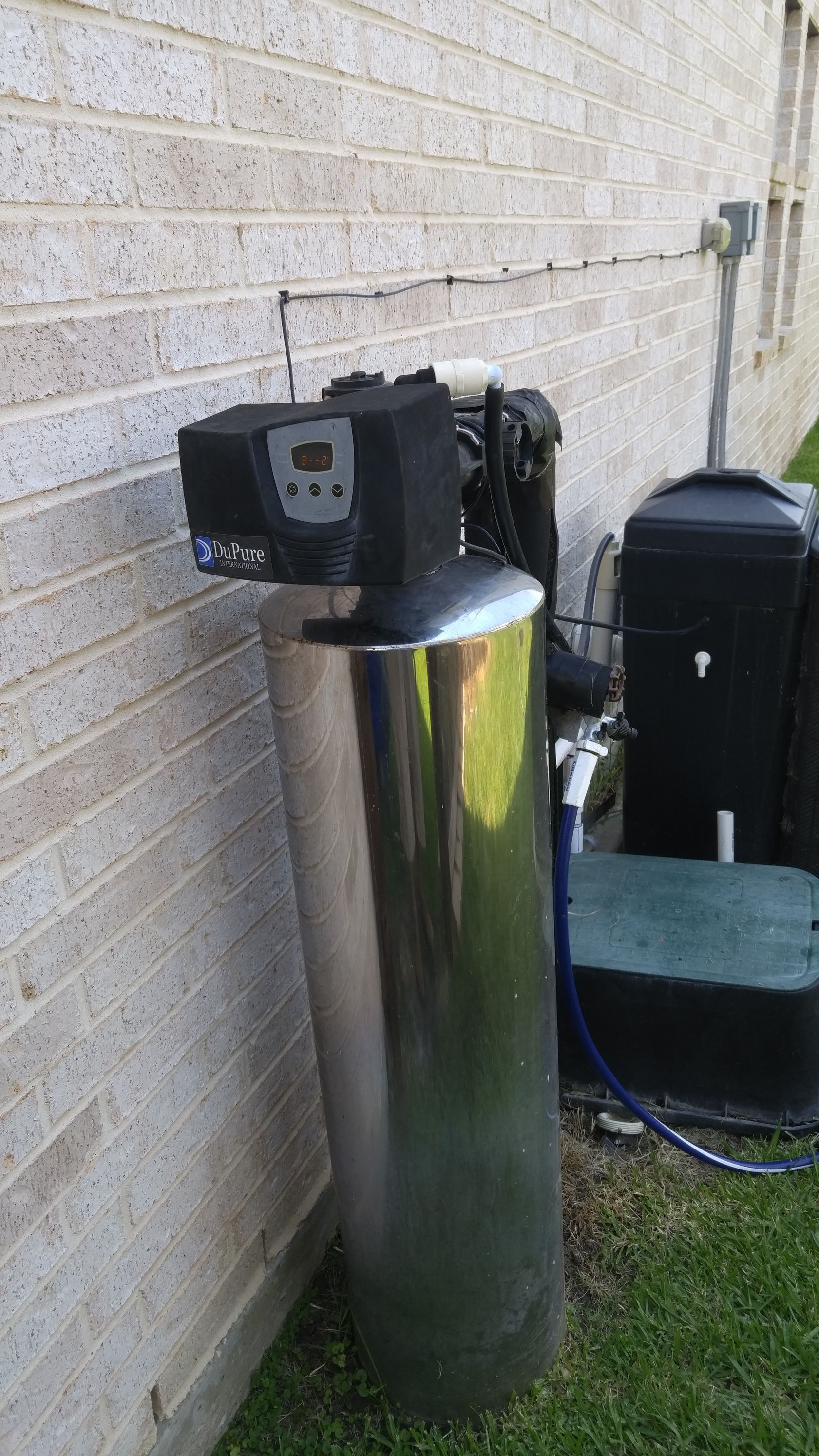
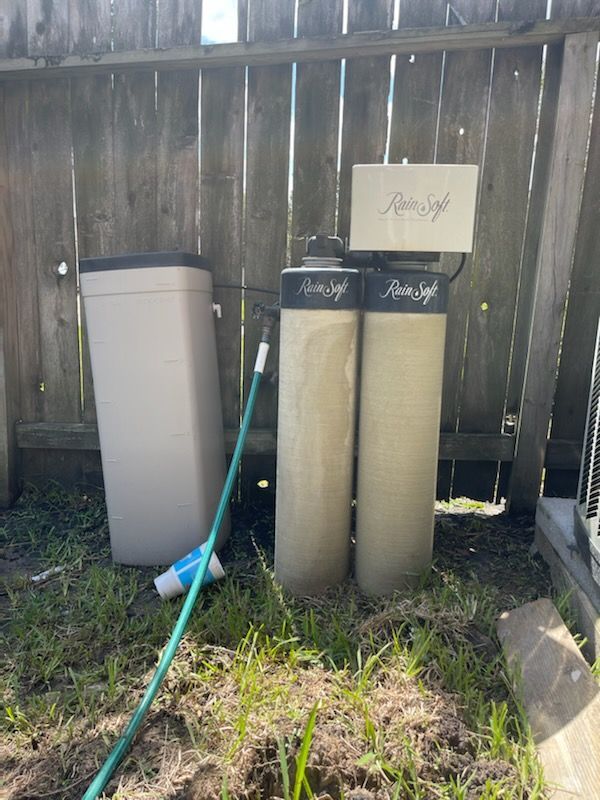
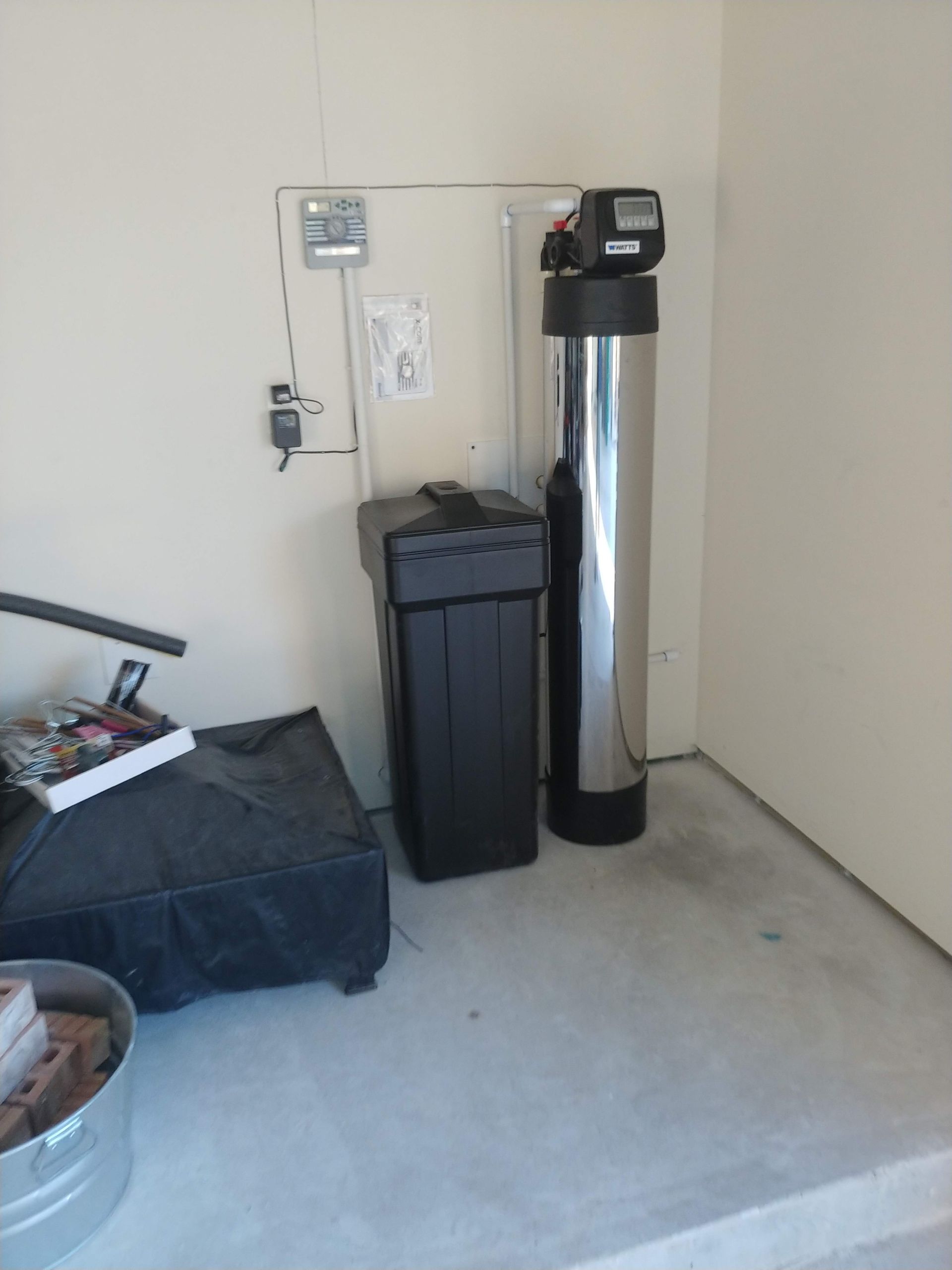
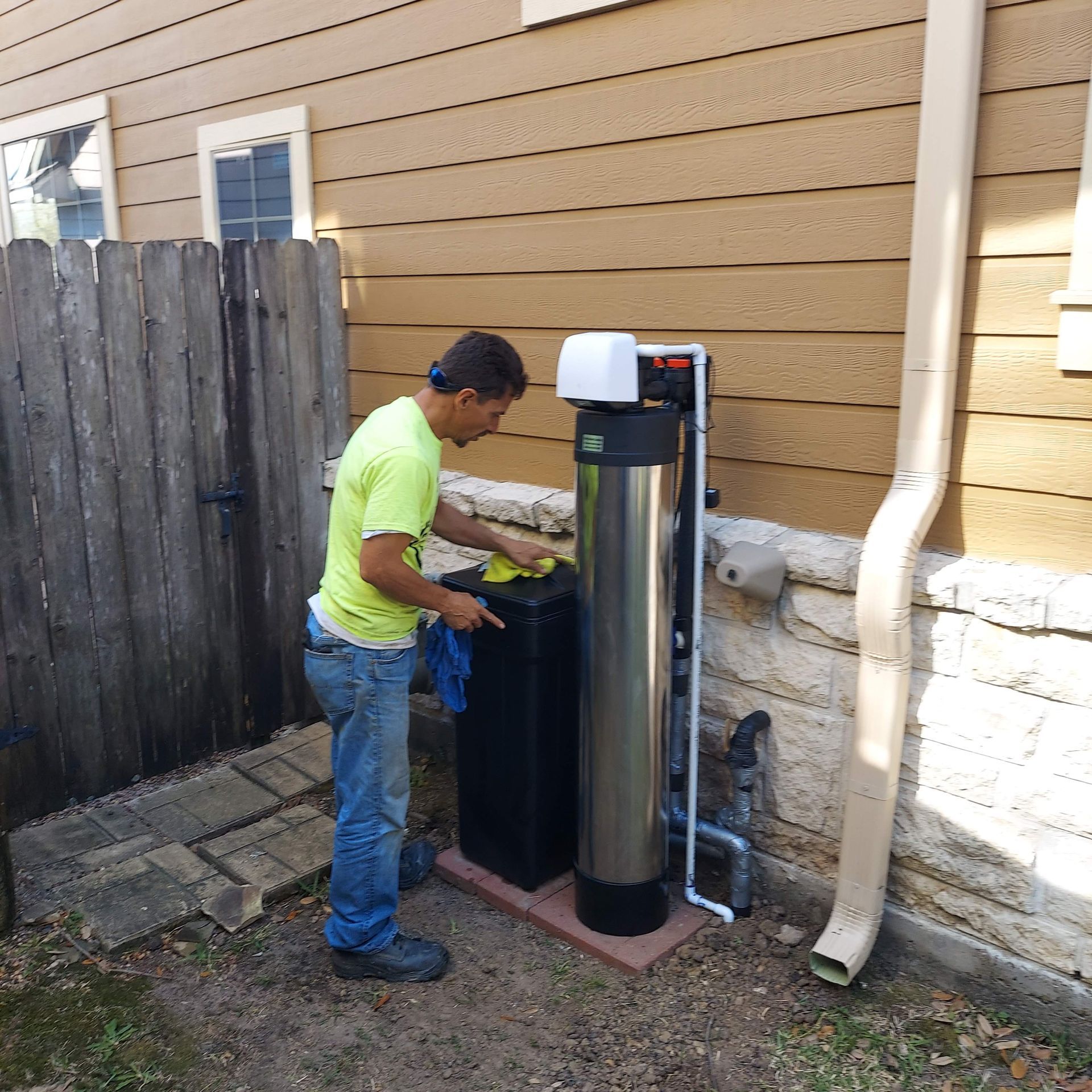
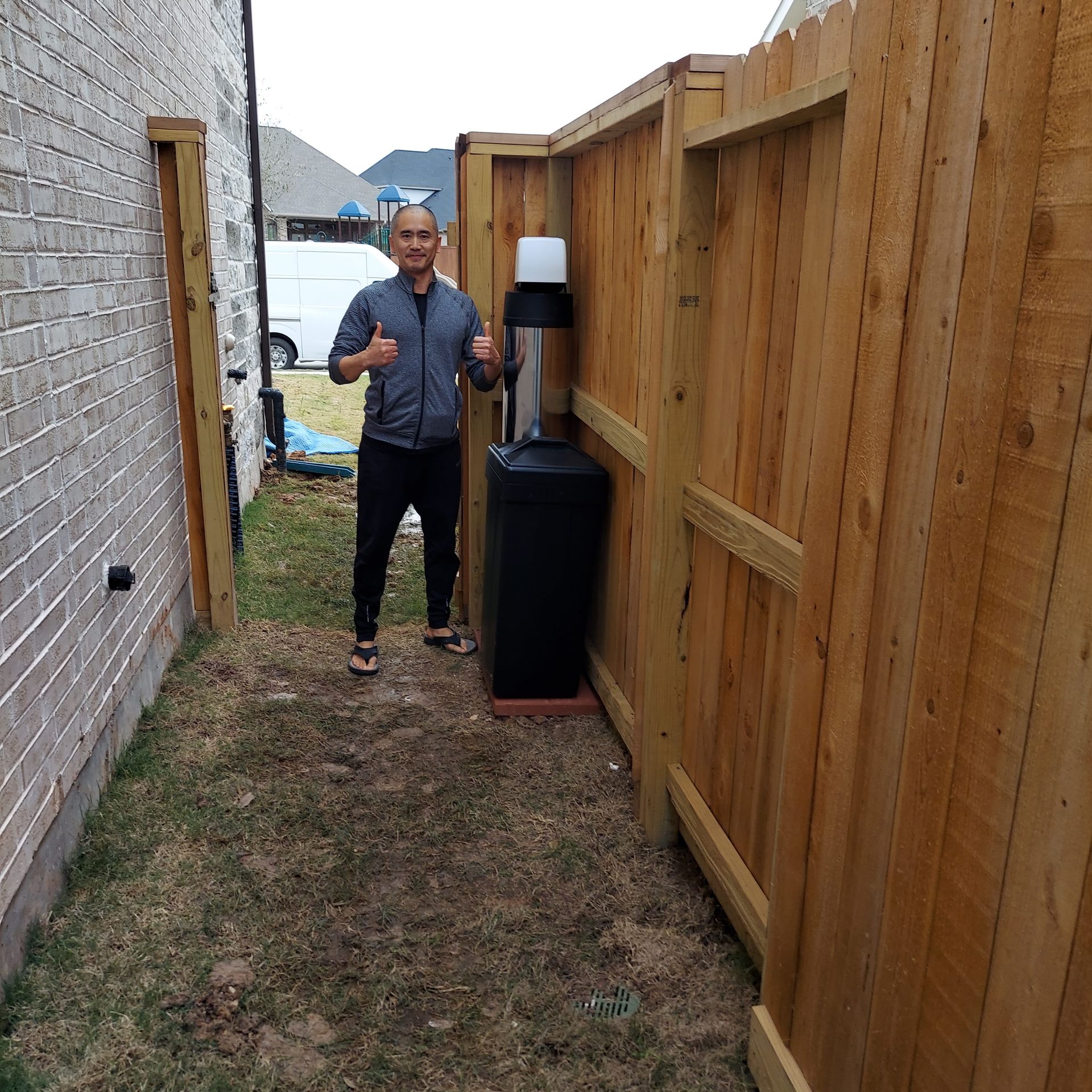
A properly sized water softener — or a correctly applied descaling system — protects the heat exchanger and dramatically reduces maintenance. How tankless flushing should be done — and how often — is a whole separate lesson, and it’s something we’re happy to explain so you don’t shorten the life of an expensive piece of equipment.
In homes with tankless water heaters, protecting the unit from hard water is required, not a preference. The only real decision is how you protect it — not whether you should.
For Everyone Else, the Signs Are Usually Obvious
If you’re constantly wiping white spots off your glass shower doors, scrubbing white buildup around faucets, or dealing with toilet bowl rings that won’t stay gone, that’s hard water. Those white spots and crusty deposits are hardness minerals drying on surfaces after the water evaporates.
You may not see what hard water is doing inside your pipes and appliances, but you can absolutely see what it’s doing on the outside.
Showering is another big indicator. If soap and shampoo are hard to rinse and you never quite feel clean, that’s hard water. Many people say the number one reason they want a water softener is the way soft water feels in the shower.
Laundry is another clue. Hard water causes soap scum to dry into fabric fibers, which can make clothes stiff, dull, and brittle over time — even if you don’t notice it right away.
If you’re buying a new home, you might not see these signs yet. But you’ll often notice neighbors installing water softeners. That’s usually a good indication of what’s coming.
These Are the Benefits — and Why People Don’t Want to Go Back
Knowing the benefits of soft water doesn’t tell you that you need a water softener. It explains what you’re missing — and why people who have soft water don’t want to live without it.
When you use soap with hard water, you don’t just get soap — you get soap scum. Soap binds with the hardness minerals in the water instead of doing its job. That soap scum plugs up your pores, dries into laundry fibers, and coats shower doors, faucets, and other surfaces throughout your home.
With soft water, soap behaves the way it’s supposed to. Instead of binding with hardness minerals, it binds with the dirt on your skin. The water then lifts it away and rinses it clean.
That soft, silky feeling you notice while showering isn’t soap left behind — it’s your natural skin oils coming back to the surface. That’s what clean actually feels like.
The same thing happens throughout your home. Cleaning is still necessary, but instead of scrubbing hard-water buildup off shower doors, faucets, and toilets, it’s usually just a simple wipe and rinse. Laundry rinses clean instead of trapping soap scum in the fibers.
Hardness Isn’t the Only Problem
Many skin irritations aren’t caused by hardness alone — they’re caused by chemicals like chlorine and ammonia in the water. That’s why, at Primary Solutions Consulting, we don’t stop at softening the water.
Our systems are designed to reduce chemicals and a wide range of other unwanted contaminants as well.
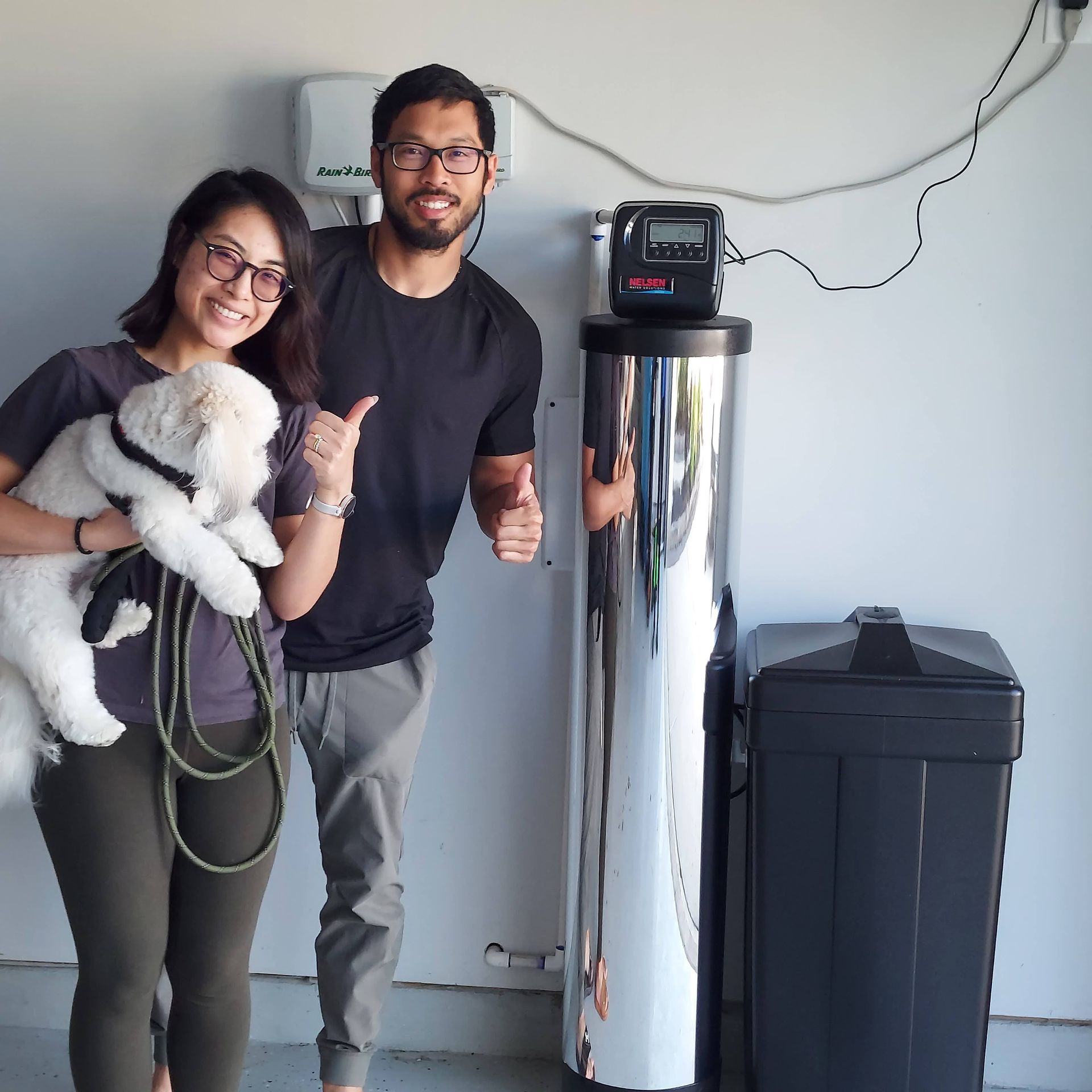
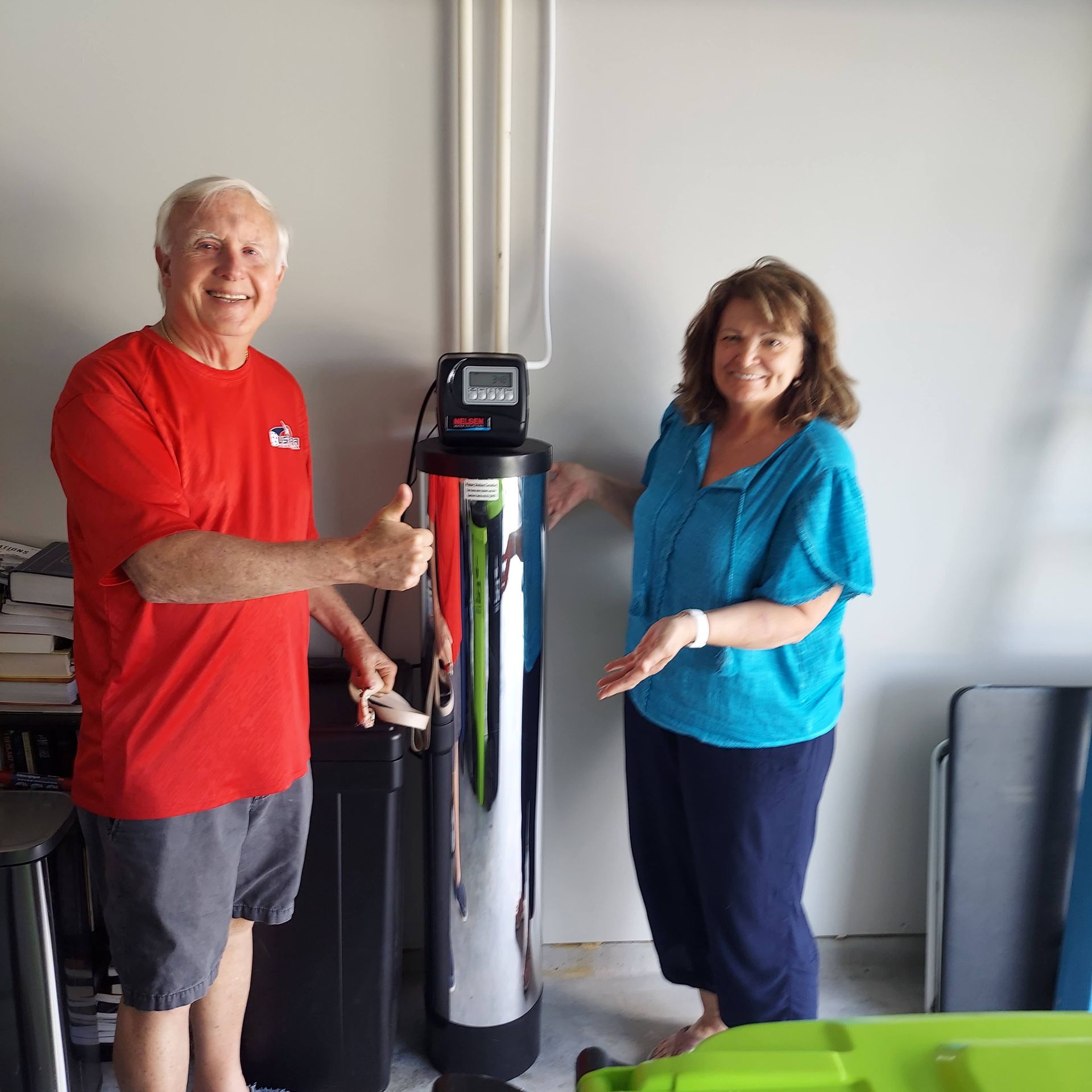
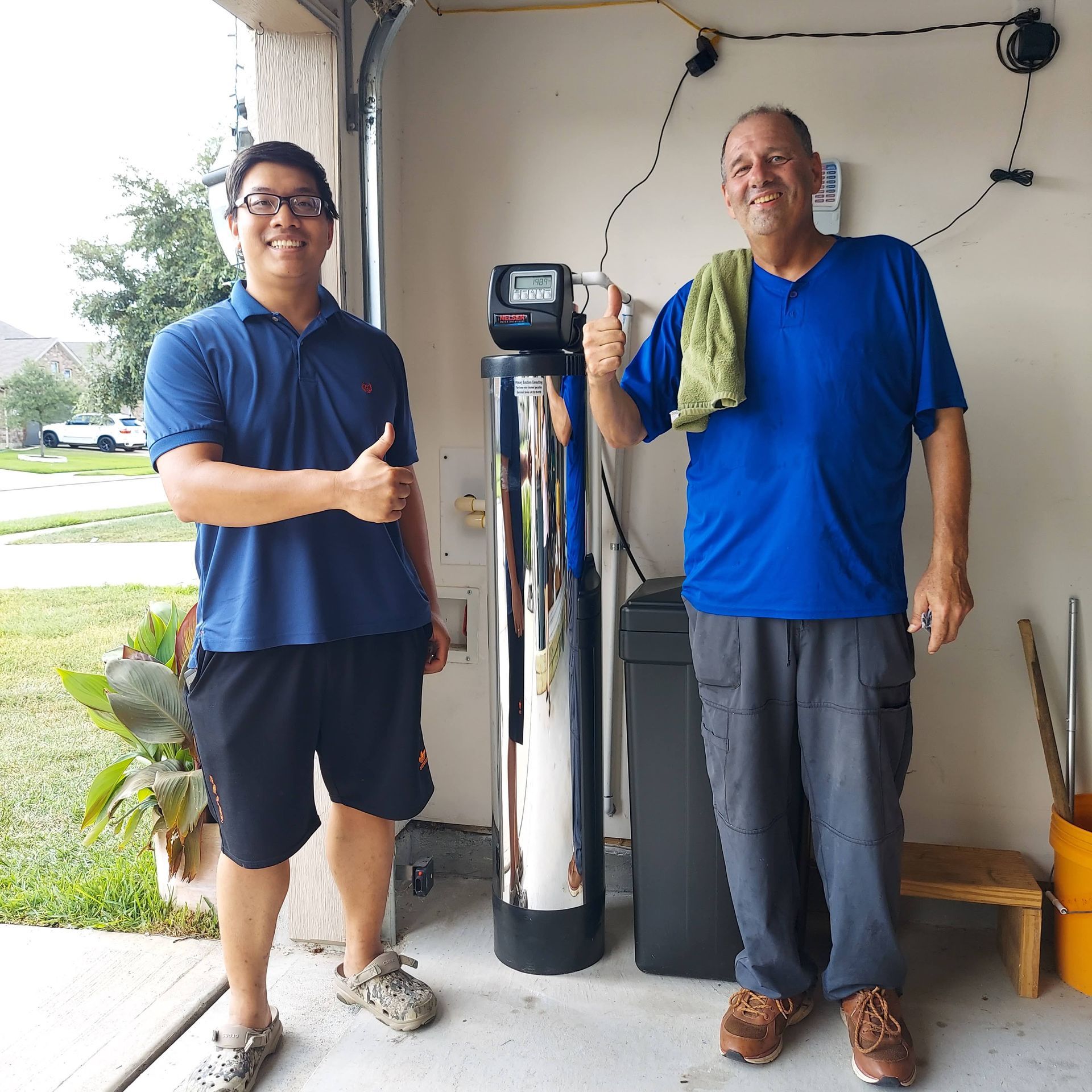
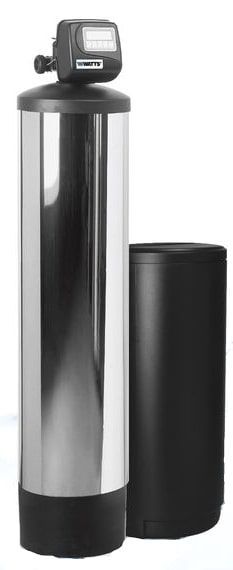
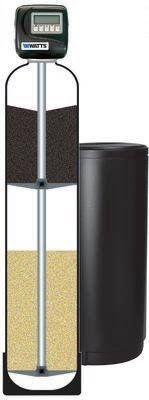
You’re not just getting soft water — you’re getting soft, chemical-free, clean water throughout your entire home. This is exactly why we use the Chemfree
Platinum Series Water Conditioning System.
So What’s the Right Next Step?
The best way to truly know is to have your water tested — not to be scared into buying a system, but to understand how hard your water is and what’s actually in it.
Too many companies use “free water testing” as a sales tactic. That’s not how we do things.
If you’ve never had soft water, talking with us will help you understand what to expect.
If you’ve had a water softener before, you probably knew you needed one the moment you took your first shower.
Either way, it makes sense to talk with us before you make any decisions. Whether you do business with us or not, we’ll help you understand your water and your options — and help you avoid spending money where you don’t need to, saving you thousands of dollars and a lot of headaches.