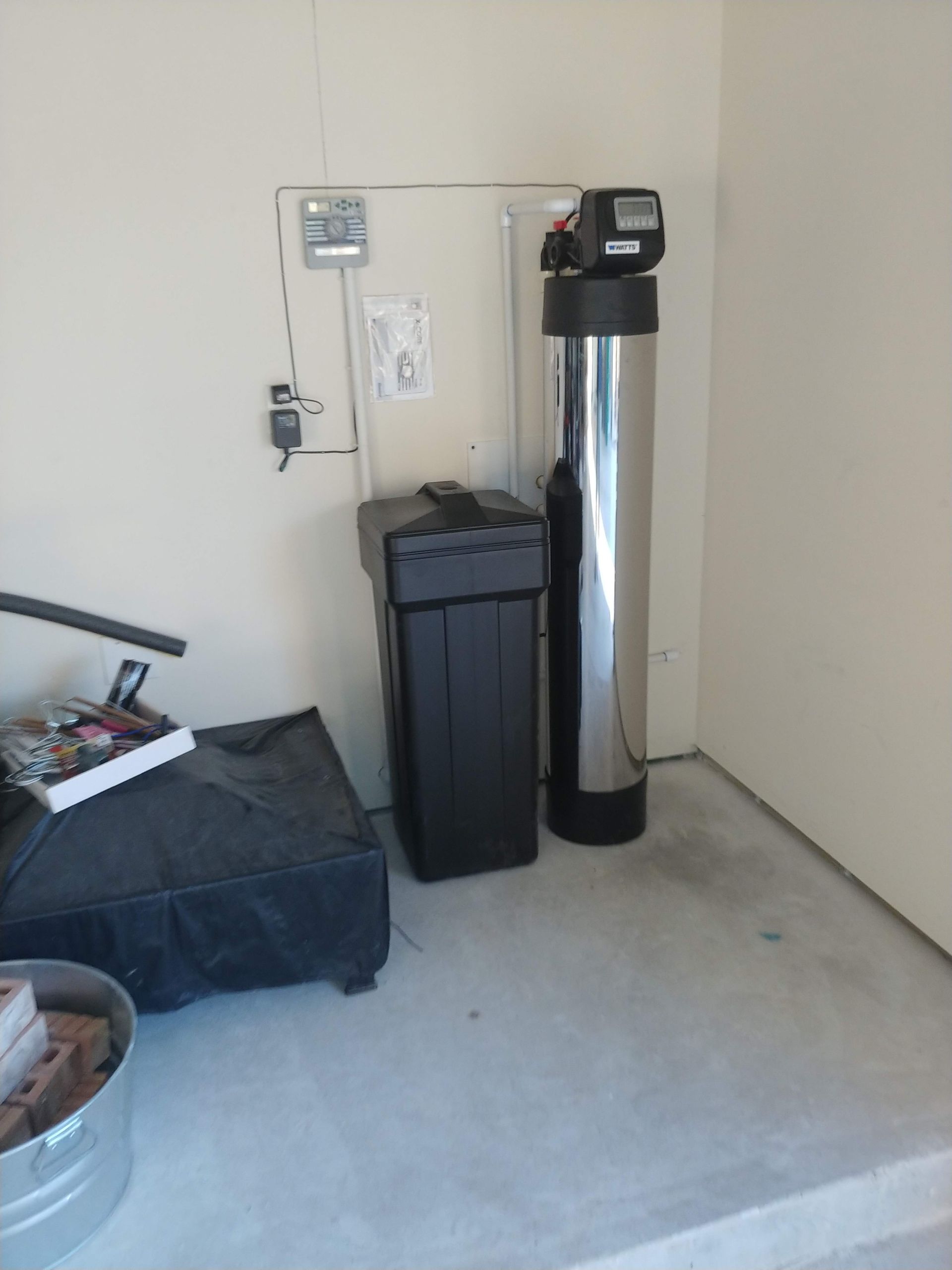
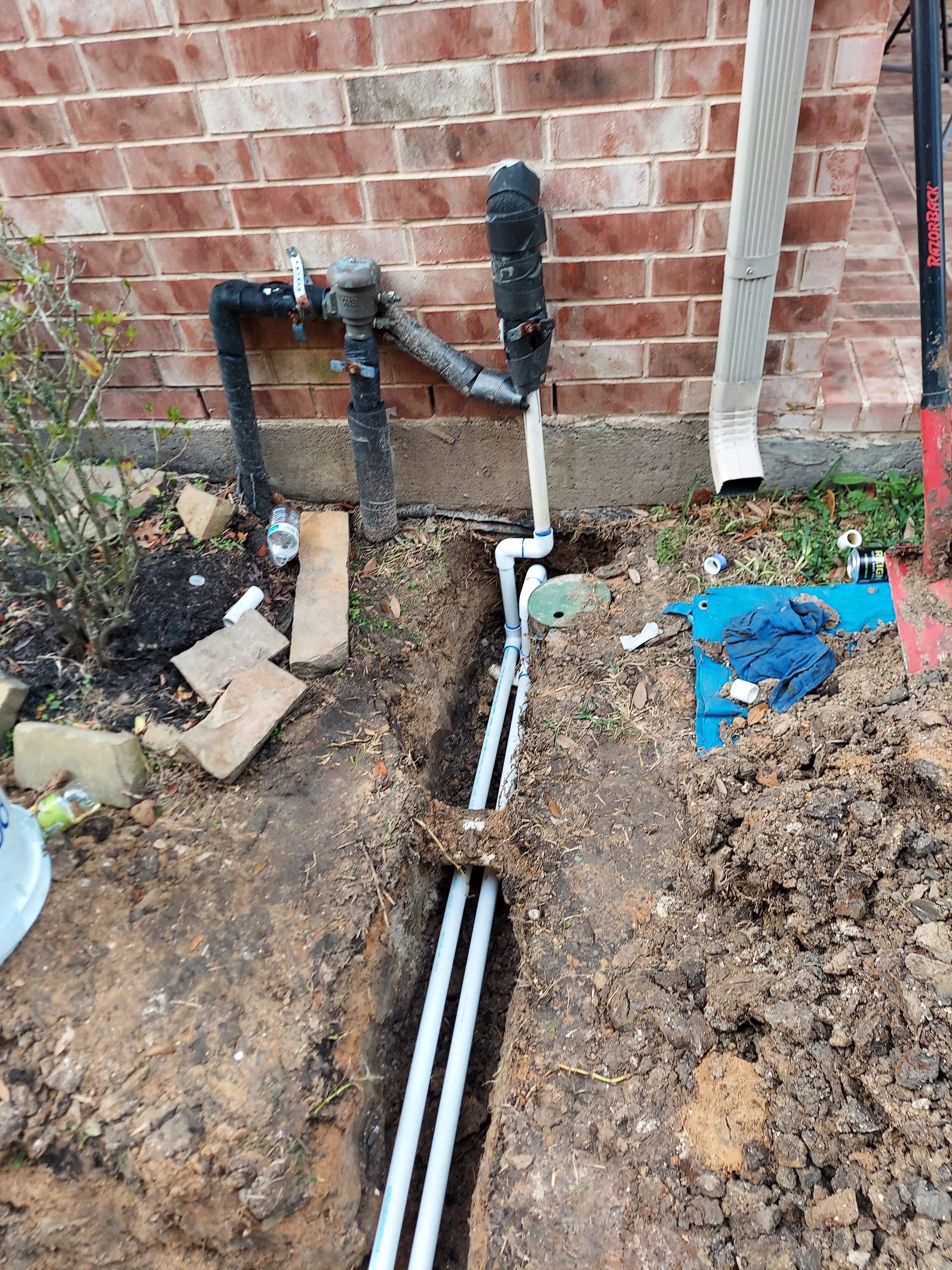
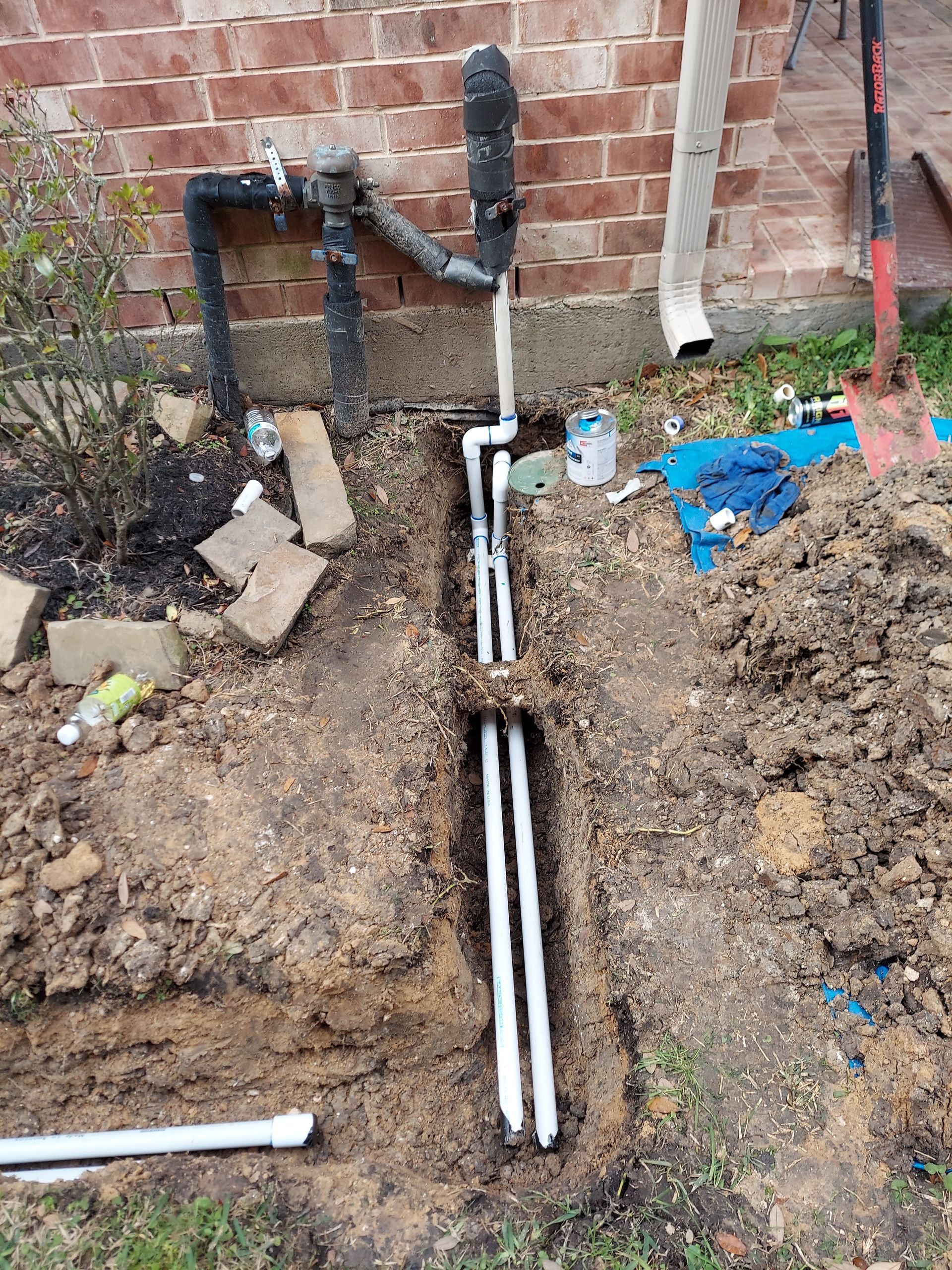
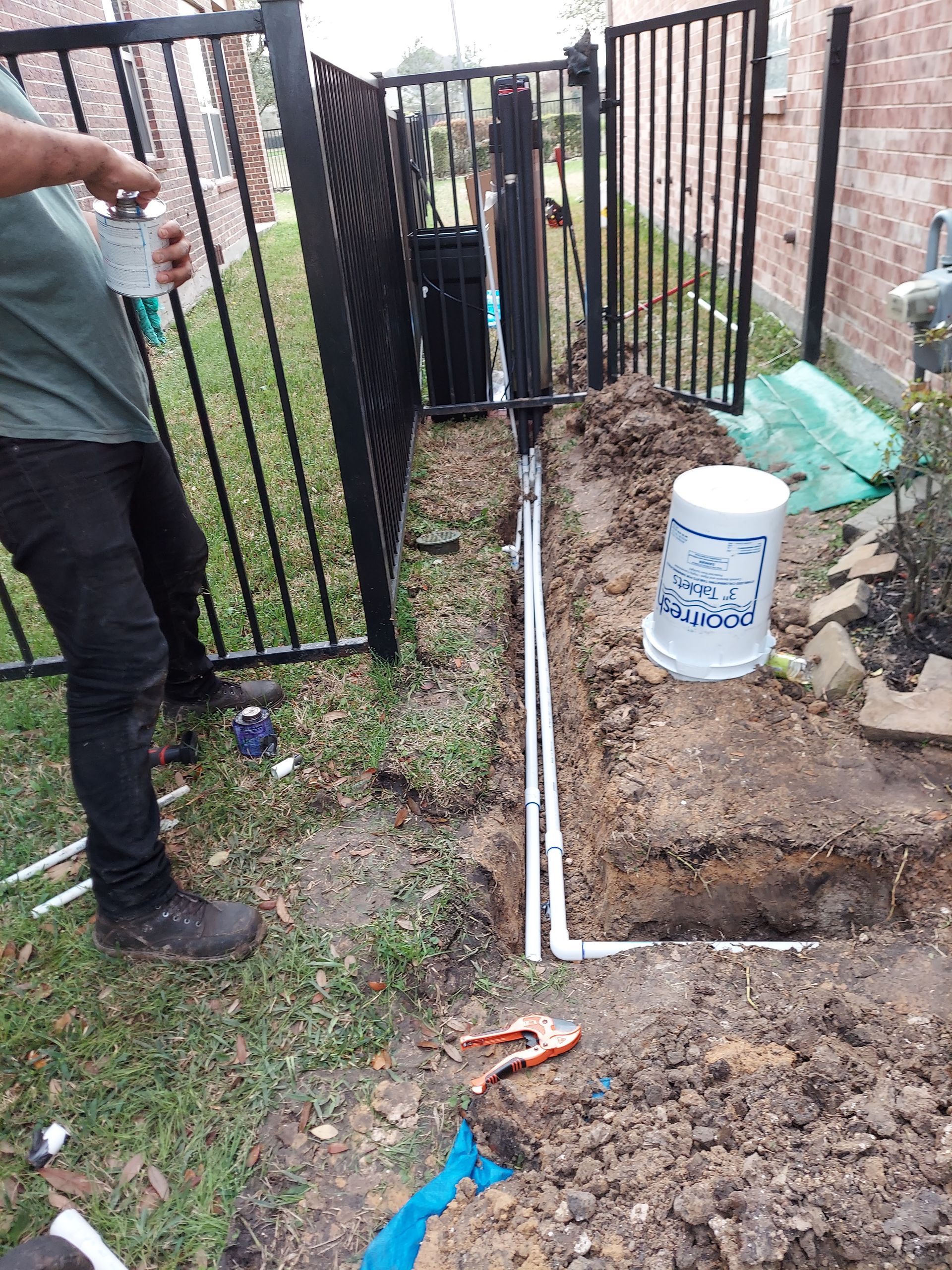
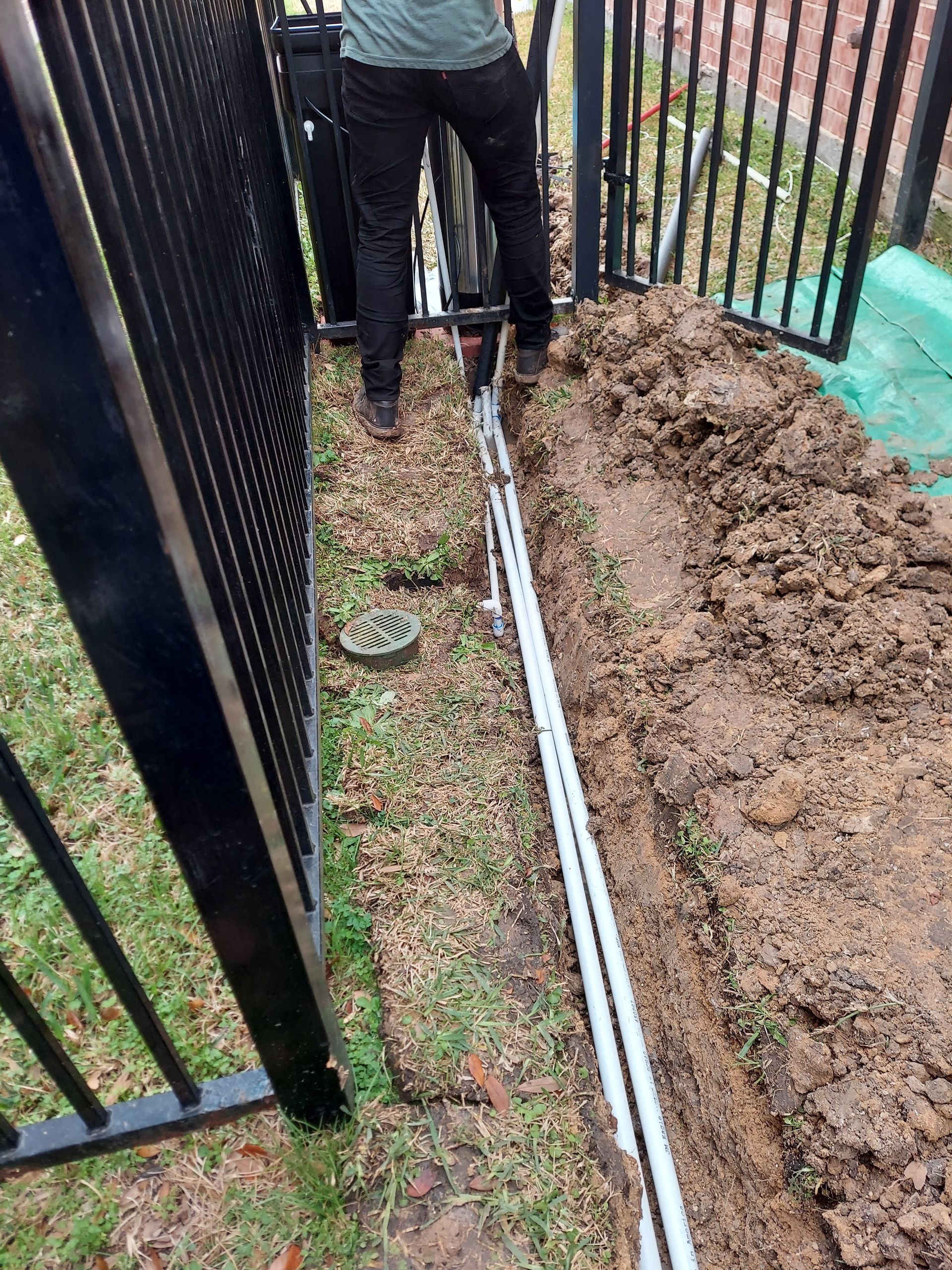
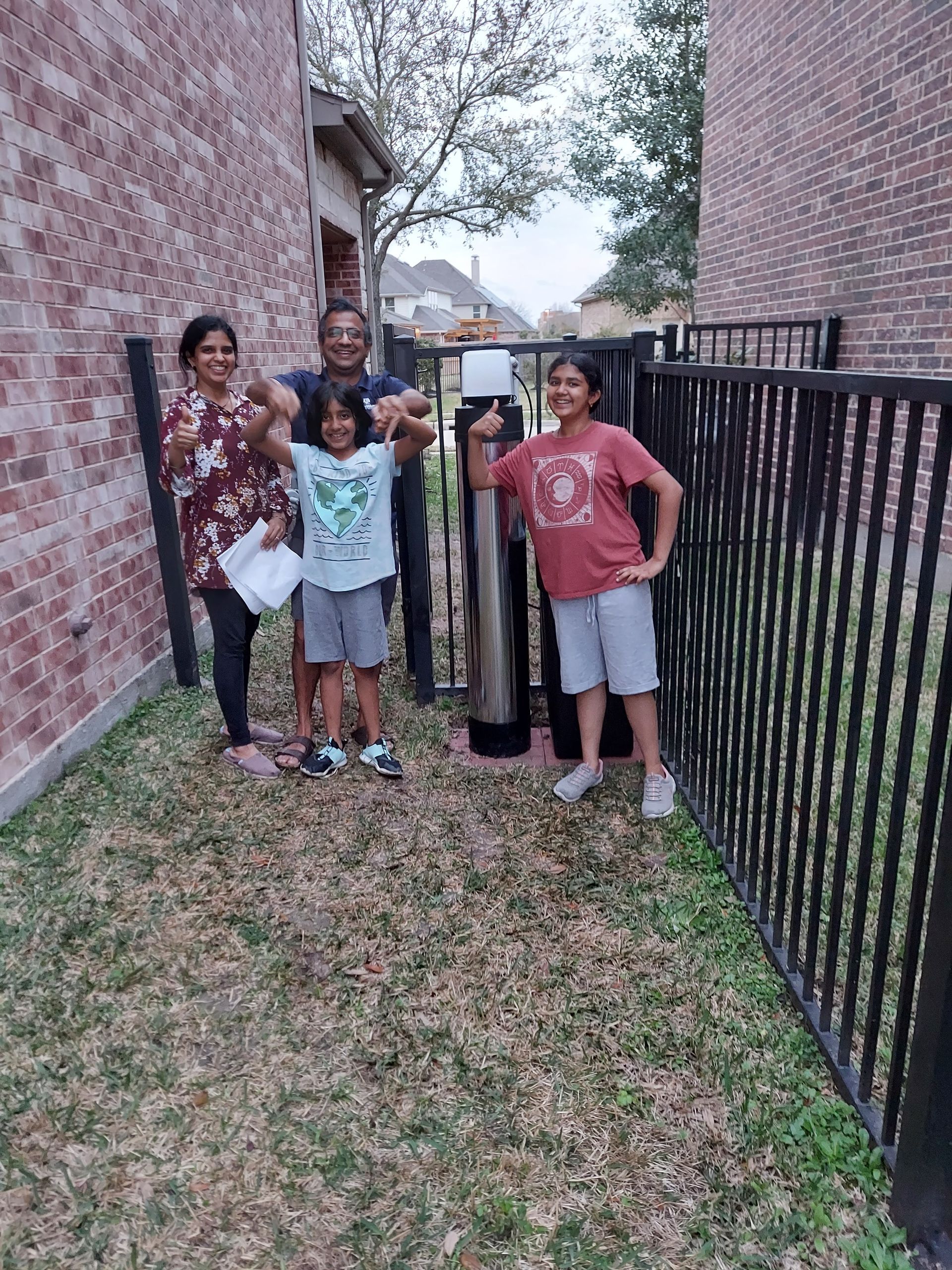
You can rely on us to install a water softener system at your home in Cypress, TX and surrounding areas.
Are You Dealing with hard water-chemicals, smells, bad tasting or just plain dirty water?
Well, the fact is City water throughout... Houston, Cypress, Tomball, Katy, Spring — you name it.
I have serviced and installed water softeners and whole house filters, as well as reverse osmosis purification systems, for the past 30 years throughout the greater Houston area and
all the surrounding areas.
They all have very similar water.
Heck, I can usually tell you how hard your water is before I even test it. If you send me a picture, I might even be able to tell you who installed it. 😊
The hardness will range anywhere from
3 to 12 grains per gallon in city water.
There’s also
chlorine and ammonia in your water (that’s called
chloramines).
They’re there for a reason — to protect you from far worse things that can grow in water —
But that doesn’t mean you have to drink it or bathe in it every day. In some areas there’s arsenic, and there have even been reports of medications showing up in municipal water supplies. And beyond that, there are simply things in the water that
don’t belong in your body or your plumbing.
A couple of quick tips so you can understand your water test
If you’ve tested your water and the result shows hardness in
parts per million (ppm), divide that number by
17.2 and that will give you your hardness in
grains per gallon (gpg).
Important: A TDS meter does NOT measure water hardness.
Hardness testing requires proper test strips, a titration kit, lab testing, or… Wayne.
😊 Wayne — your local friendly water-treatment specialist
📞 832-788-9938
There is a cheap to free, way to test your water to see if it’s actually soft.
It won’t tell you the hardness level, but it
will Prove your water to be either soft or hard.
Just give me a call.
No cost. No obligation. No pressure. Just honest answers.
Now, when I say City Water, I am.. referring to the city or community water — you know,
the stuff you pay for. Not well water.
Well water can be a whole lot worse or a whole lot better.
testing will determine the quality of your well water.
Well water always refers to a well
on your property.
You're not paying for that water.
When dealing with hard water in your city water home, you’ll usually see it in a few places first — white crust on faucets, cloudy dishes, spots on the shower doors, and water heaters that don’t last.
Oh yeah, and the list goes on and on. But I’m not here to give you a sales pitch. Besides the fact that you're here, tells me you already know you need a water treatment system. So I'd just like to show you the truth about things. And show you how to solve your problems.
So let’s dig into exactly what is going on in your situation.
⚠️ A Serious Warning About Water Softeners in the Greater Houston Area
My friends, I’m not here to try and scare you or sell you.
I’m here to tell you the things salespeople don’t tell you—things you’ve got to know before you invest your hard-earned money into a water softener.
If you install a water softener in
City water —
it doesn’t matter what they call it. Houston city water, MUD districts, and community wells are all governed by the same laws and disinfected the same way.
That means chlorine plus ammonia, which forms chloramines — and chloramines create disinfection by-products, like
THMs (trihalomethanes), HAAs, and other chloramine-related by-products
that are harsh on plumbing, brutal on softener resin,
and absolutely
not something you want in your body or affecting your health.
If you’re paying for water service, you do
not have “well water.” You have
treated city water.
And that treated water will destroy an unprotected water softener.
We see it every day. We know why it happens.
The system will fail
— Not might —Not maybe — It will fail
"And we have the right solution"
Here’s what really happens.